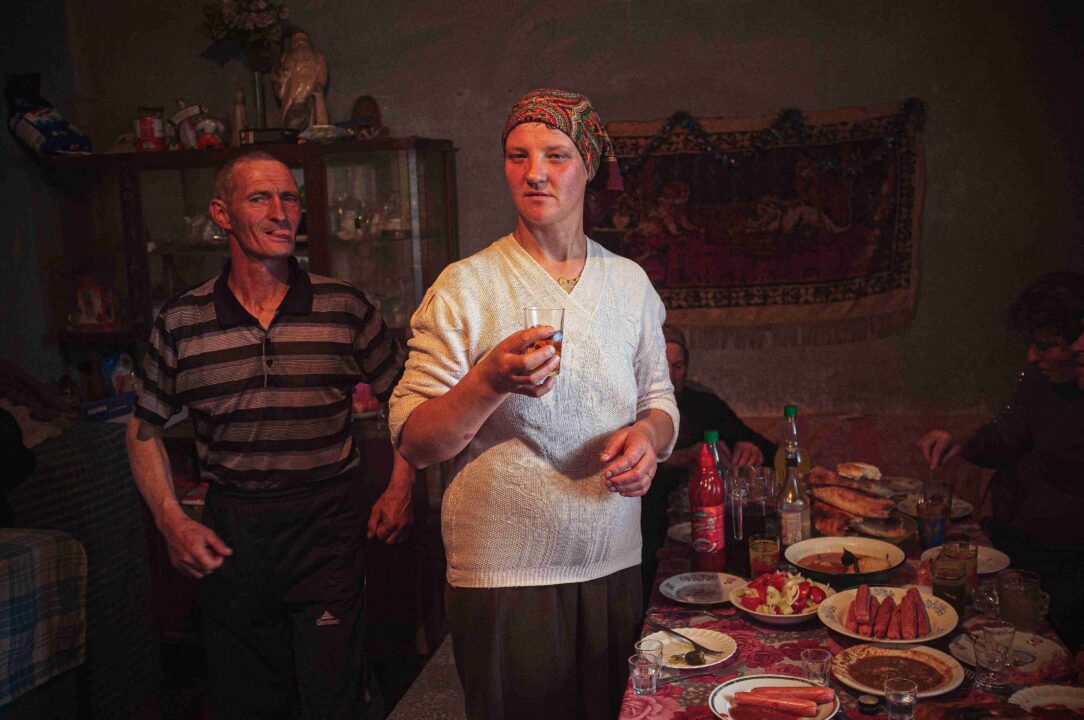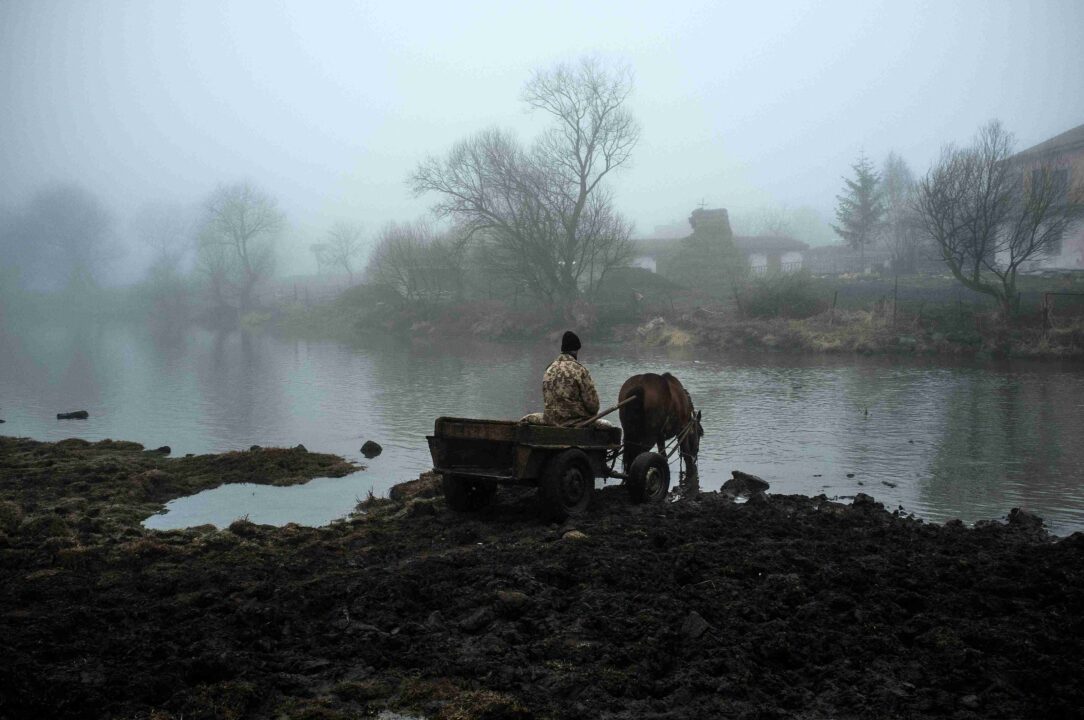
I Doukhobor, come si definiscono gli spiriti guerrieri, sono una società protestante ortodossa, apparsa tre secoli fa in Russia, nella provincia di Tambov.
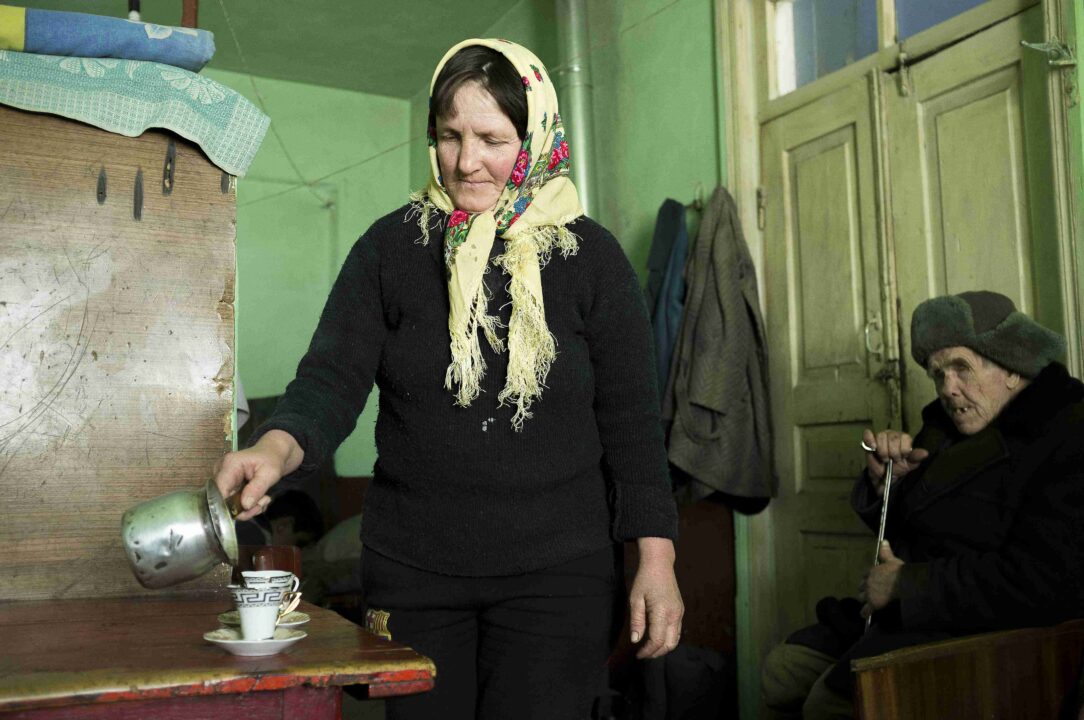
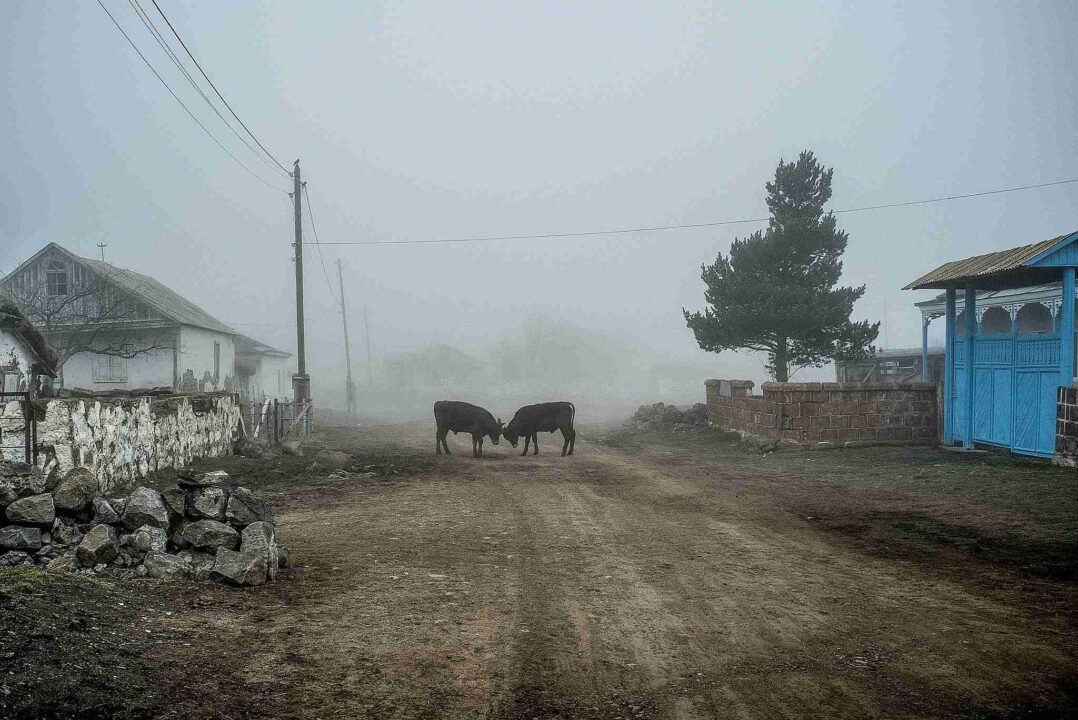
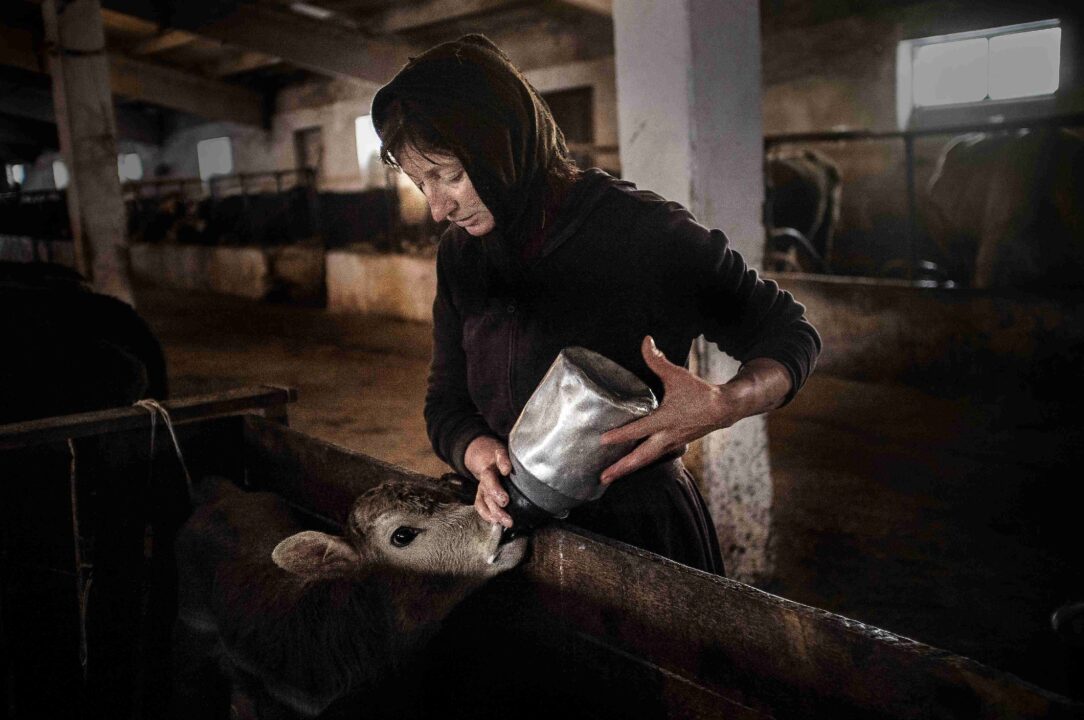
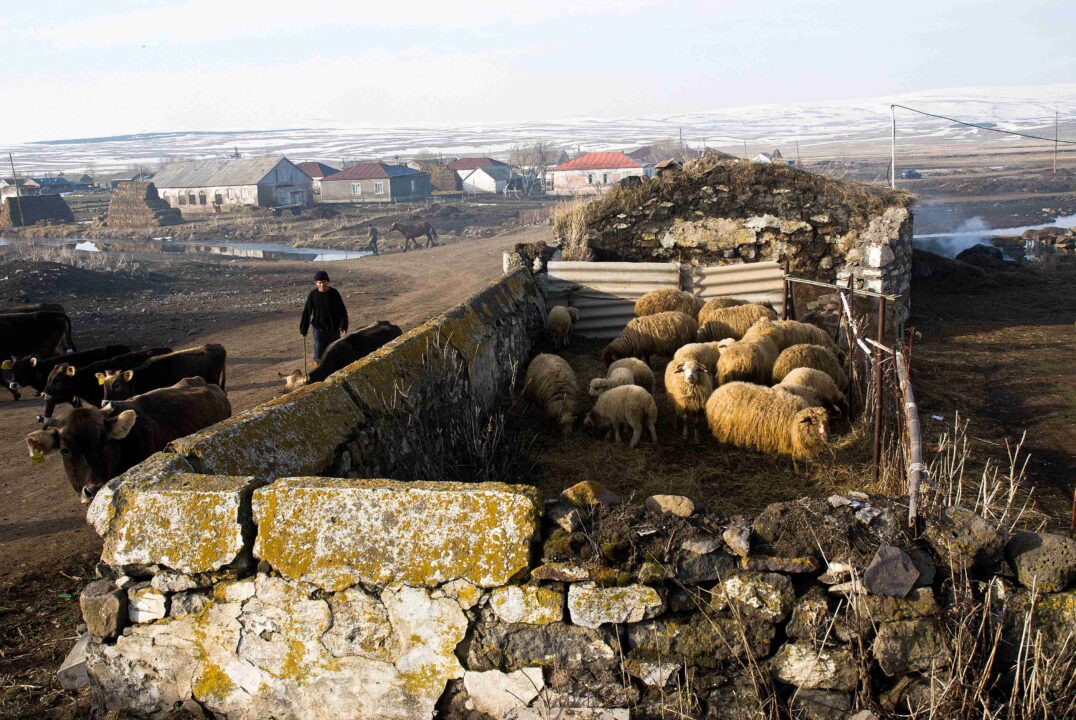
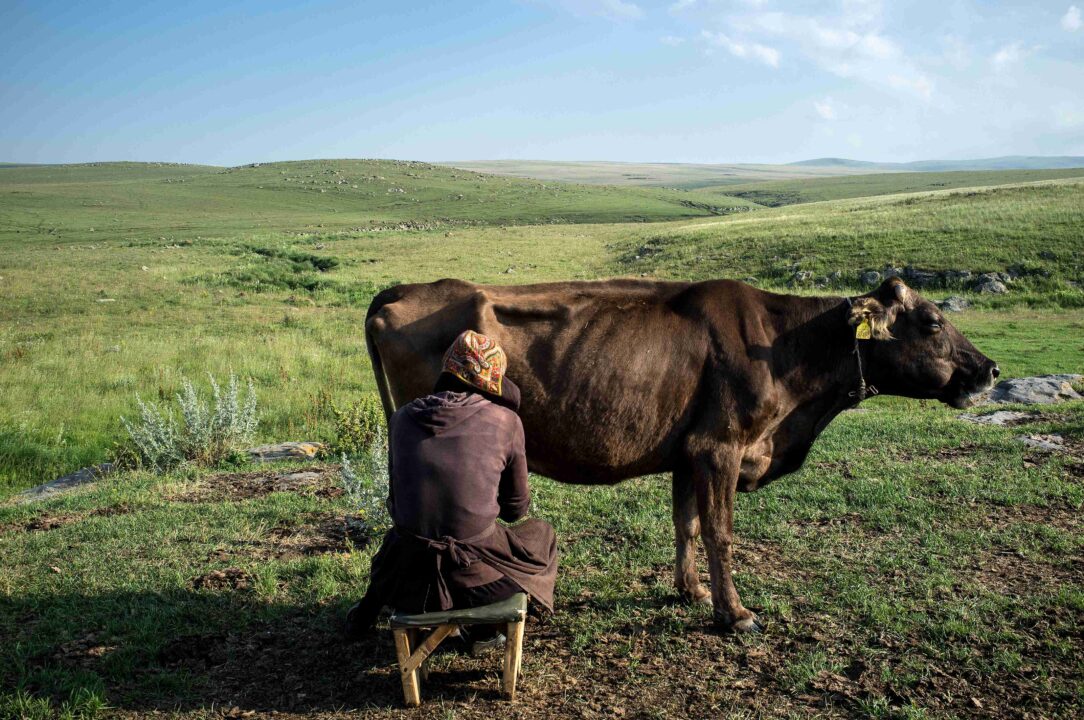
Esiliati dallo zar russo e trasferiti in Georgia, i Doukhobor fondarono otto villaggi nella regione di Javakheti, il più grande dei quali era Gorelovka. Considerano Javakheti una terra santa, la chiamano “la terra dei Doukhobor” e pensano che il villaggio di Gorelovka sia il centro di tutti i Dukhobor sparsi per il mondo. Nonostante il clima difficile, agirono con grande entusiasmo, formarono un comune, fondarono un orfanotrofio, una scuola e gestirono l’economia comune. Ben presto divennero una delle comunità più ricche del Caucaso. Durante il regime sovietico la fattoria collettiva Gorelovka era la seconda più ricca dell’intera Unione Sovietica. I Doukhobor si distinguevano dagli altri come persone molto laboriose e disciplinate. Lev Tolstoj fu un loro grande sostenitore e fondò addirittura una scuola che esiste ancora ed è l’unica scuola funzionante a Gorelovka anche oggi.
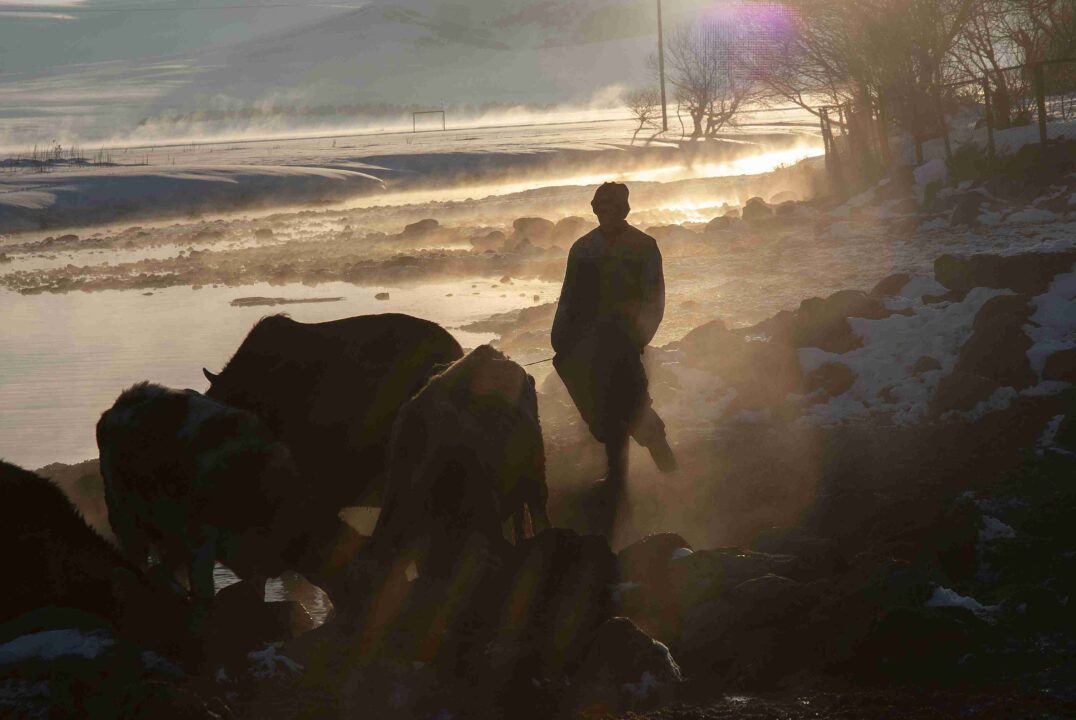
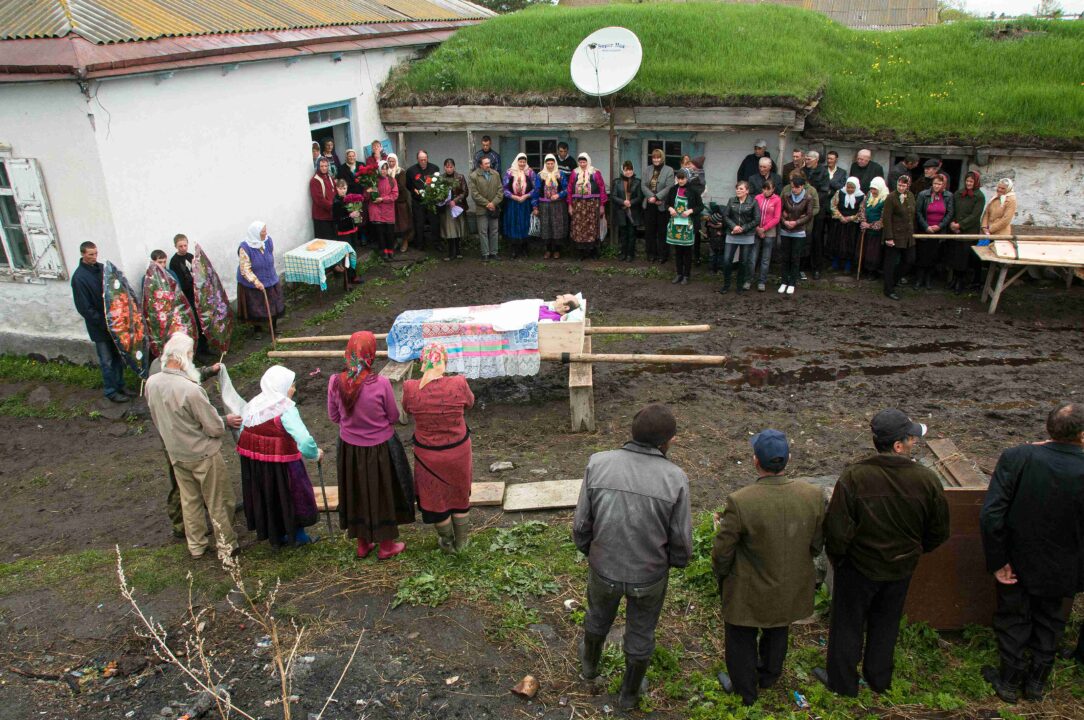
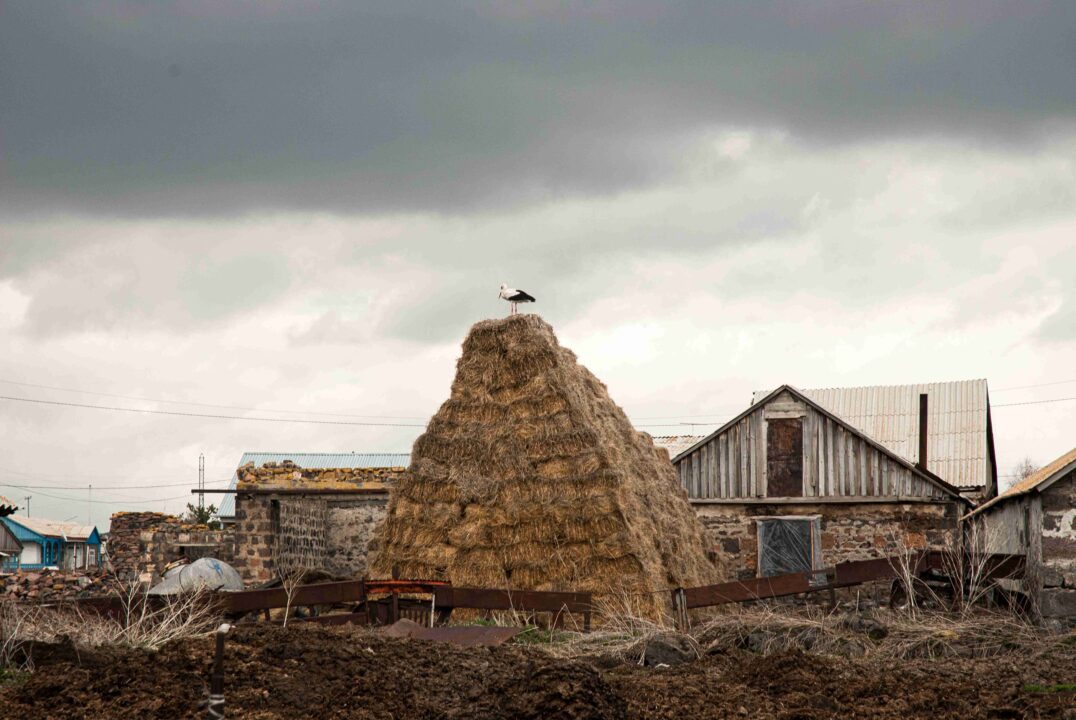
Secondo la loro fede rifiutano la croce, l’icona, persino i sacerdoti e i rituali della chiesa. Durante la nascita, il matrimonio e la morte mettono in pratica semplici rituali. Dicono che Dio è ovunque e in ogni cosa, soprattutto nell’anima umana e che ogni persona stessa è un tempio. A capo della comunità ci sono leader spirituali. Il culto della donna è sempre esistito e le guide spirituali spesso erano donne. I Doukhobors hanno sempre creduto che fosse importante convivere in pace con la natura. Amano il loro ambiente e se ne sono sempre presi cura – non hanno mai inquinato il suolo, i fiumi e i laghi, hanno rispettato gli uccelli migratori che sorvolano questa zona.
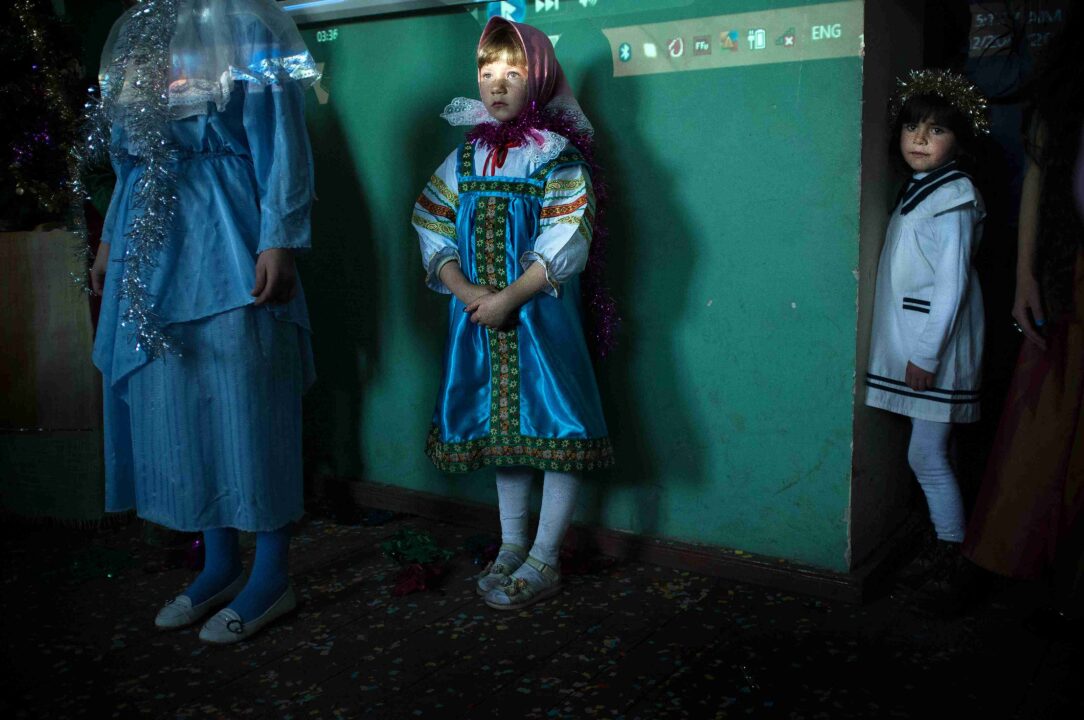
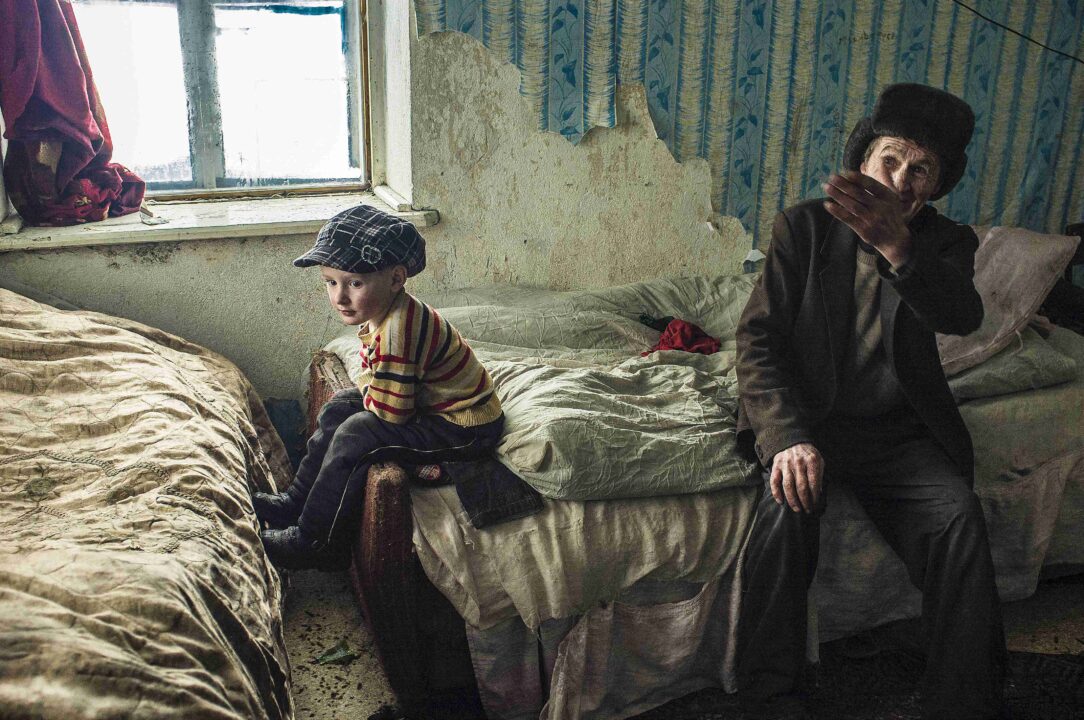
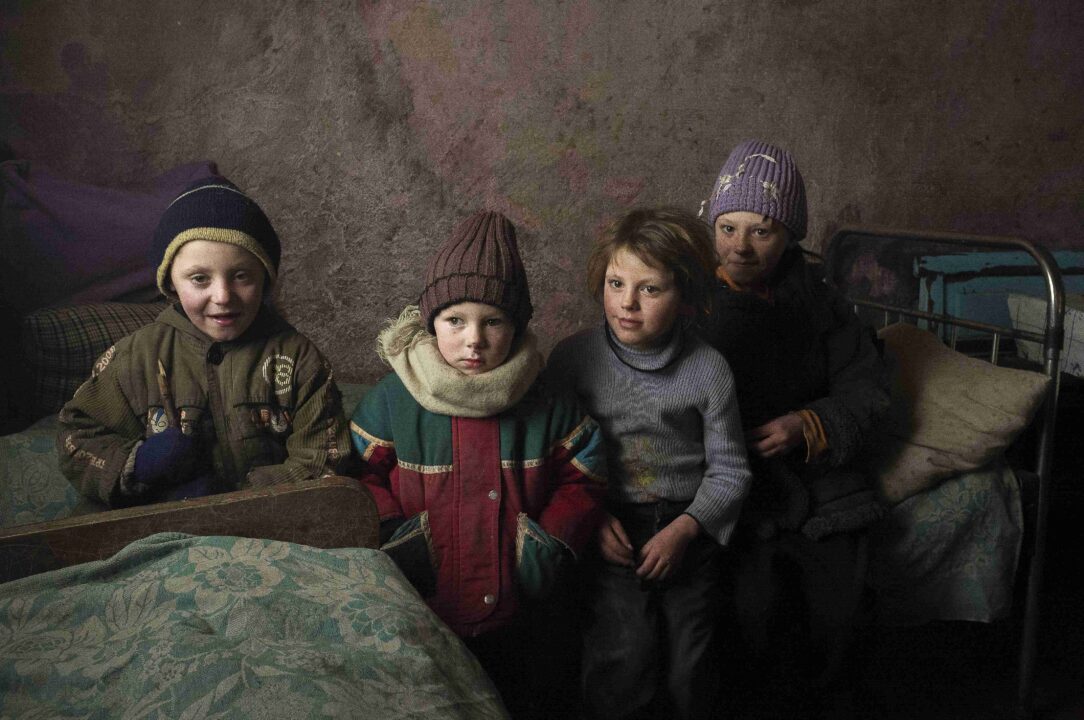
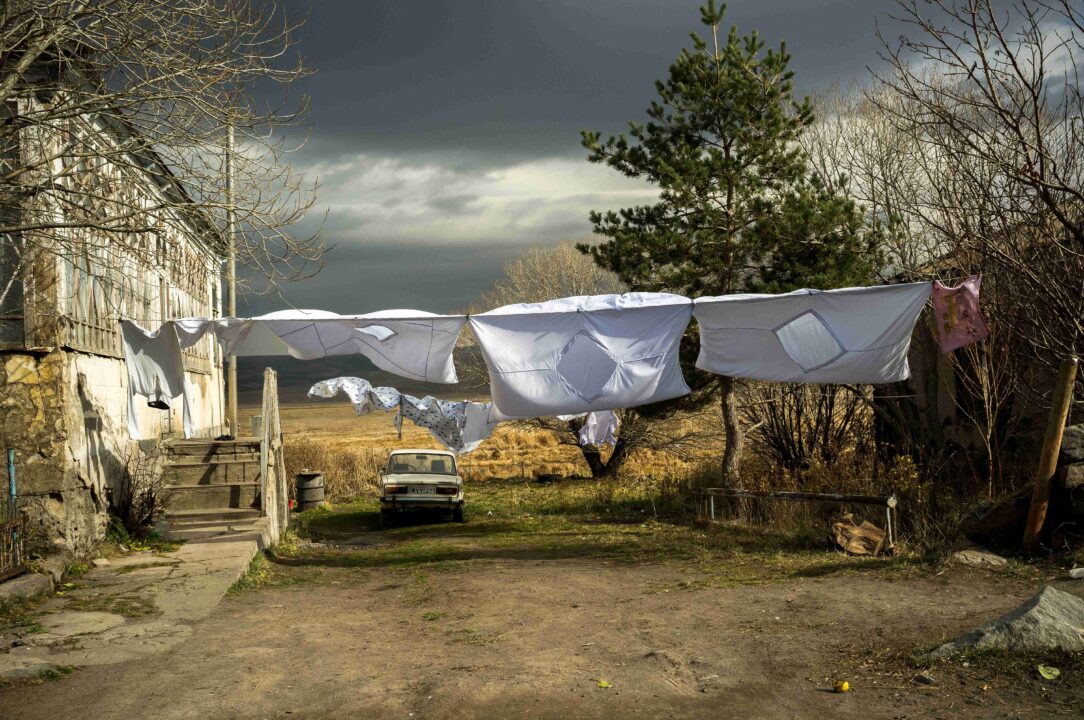
Gli ultimi vent’anni sono stati particolarmente difficili per Doukhobors. Nessuno sa dire perché la maggior parte di loro abbia deciso di ritornare in Russia. Esistono diverse versioni: tradimento, paura, persecuzione, false promesse. Oggi sono rimaste circa 150 famiglie, soprattutto a Gorelovka. I giovani sono in minoranza nella comunità. La mancanza di opportunità di istruzione e di lavoro li costringe a lasciare i villaggi e il paese. I nuovi proprietari delle loro case, che non hanno familiarità con la loro cultura, la stanno distruggendo e cambiandone la peculiarità.
The Doukhobors, as they call themselves (“soul-strugglers” or “spirit-wrestlers”), are an Orthodox Protestant society, which appeared for the first time around three centuries ago in Russia, in the Tambov Province. Exiled by the Russian Tsar and relocated to Georgia, the Doukhobors founded ten villages in the Javakheti region. Despite the unfavorable climate, they adapted enthusiastically to their new home, forming a community-based orphanage and school with a communal economy. They soon became one of the walthiest communities in the Caucasus. During the time of the Soviet regime, the Gorelovka collective farm produced the second-highest amount of wealth in the entire Soviet Union. Their school was built with the help of the great Russian writer Leo Tolstoy and the Doukhobors soon became distinguished by their capacity for hard work and a reputation for discipline and honesty.
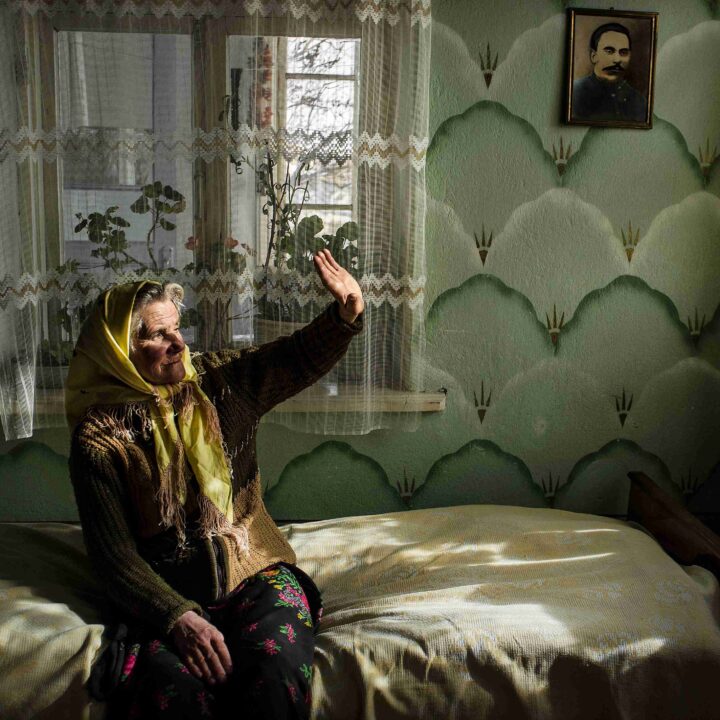
In their faith, they reject all Orthodox rites of the mass—the cross, the icons, even the priests, as well as church rituals. Births, marriages, and deaths have their simple rites. They claim that God is everywhere and in everything, especially in the human soul—therefore, every person is a temple. At the head of their community, they have spiritual leaders. But they never break the gender balance. The recognition and importance of women have always existed, and women frequently play the role of leaders. They regard Javakheti as a holy land and the village of Gorelovka to be the home of all Dukhobors scattered around the world.
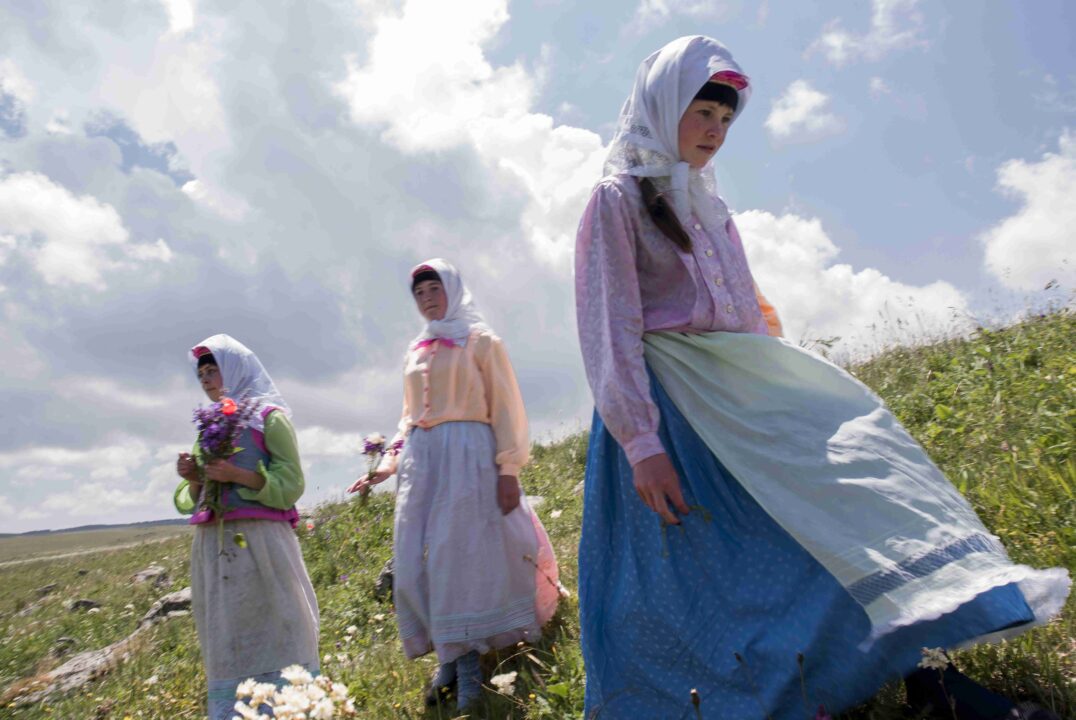
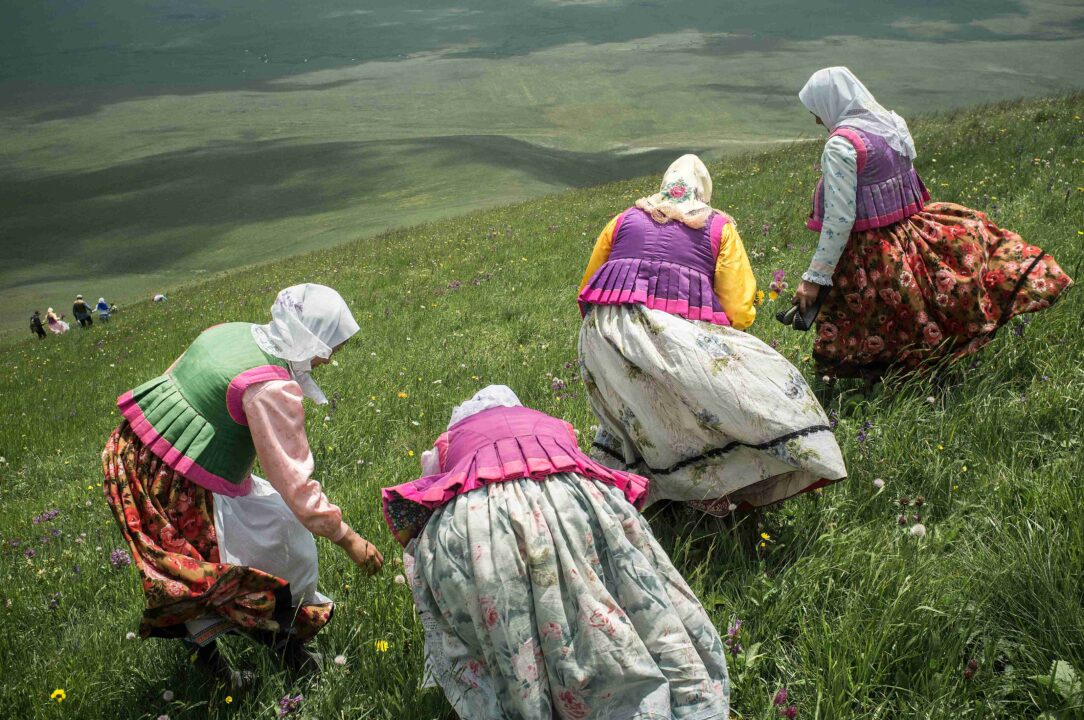
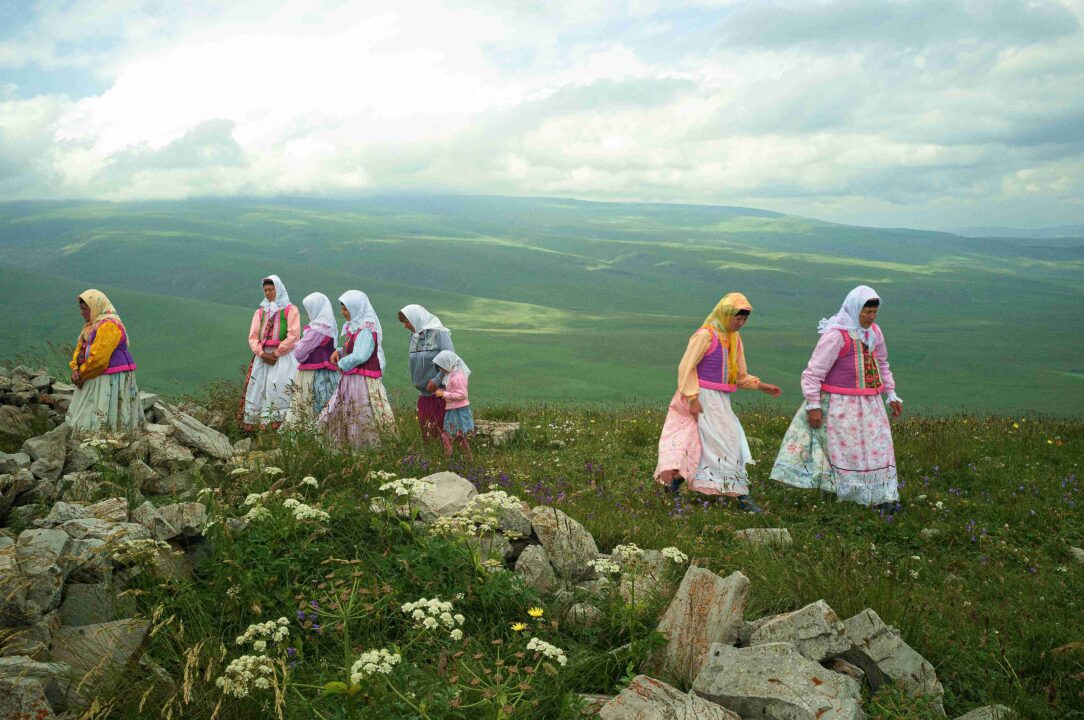
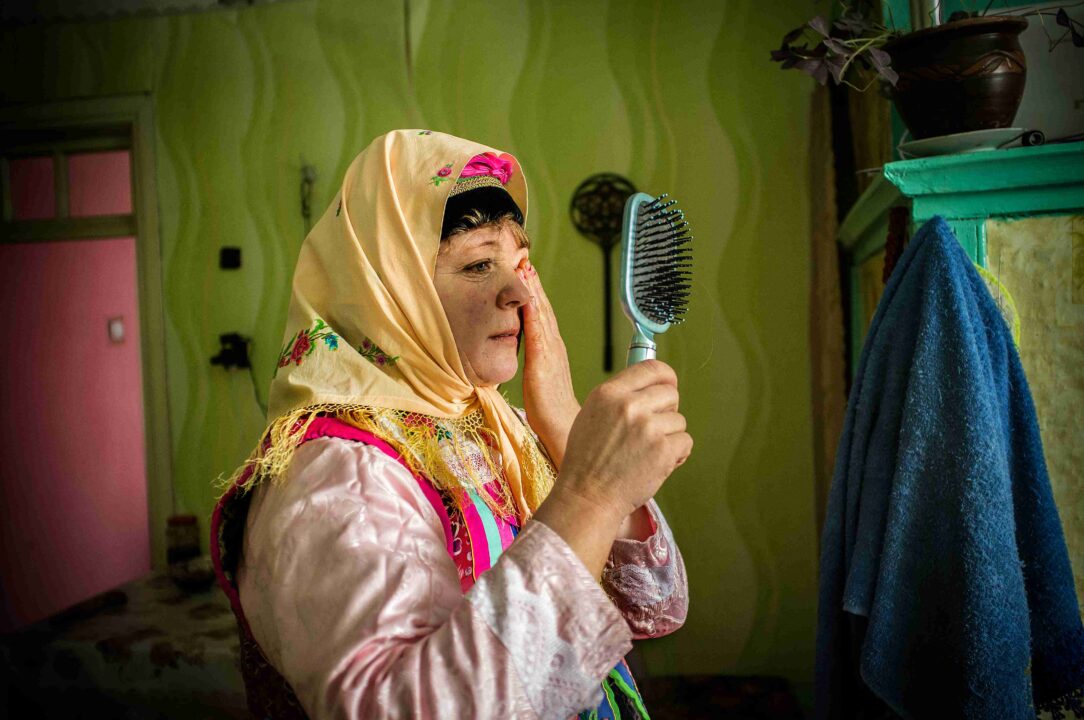
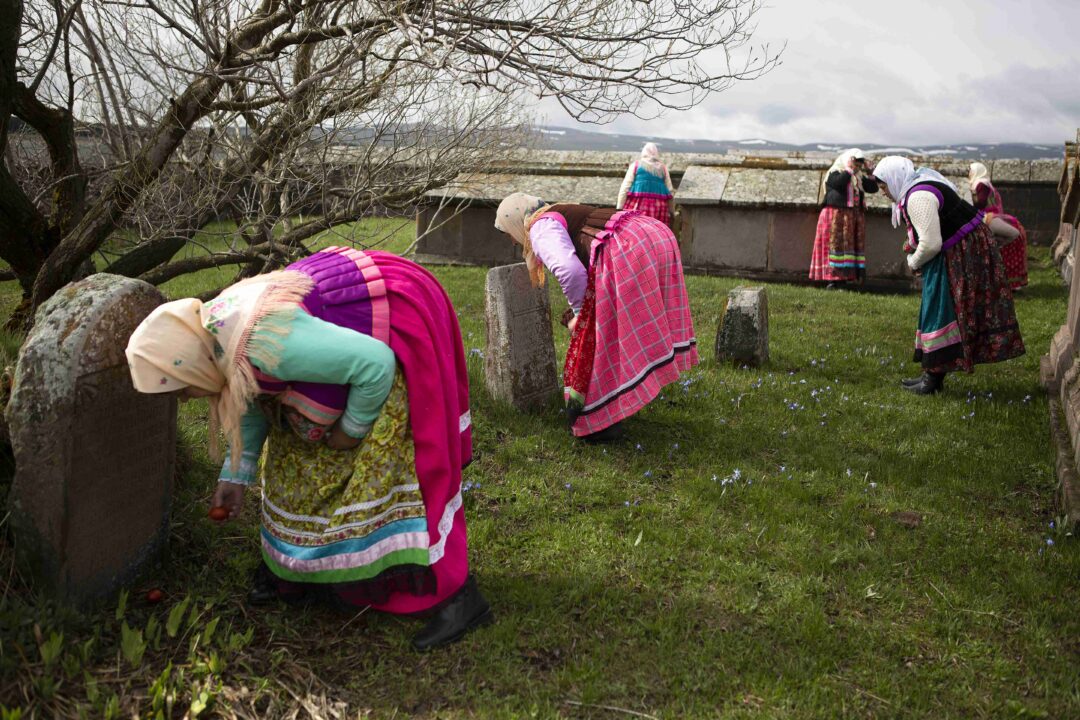
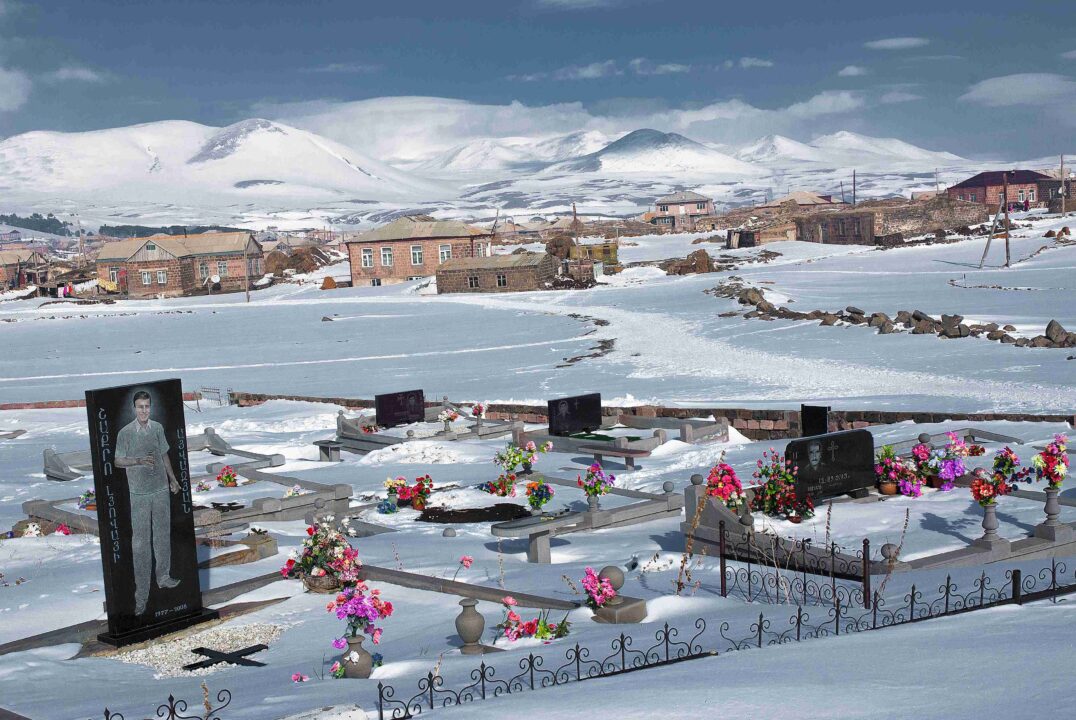
There is the old holy cemetery of Gorelovka, where their original spiritual leader, Lukeria Kalmikova, is buried. Near there, there is also a house of prayer, where on Sundays, dressed in unique national clothes, women sing psalms. In general, their reverence for the environment in which they live is central to their spirituality. Four mountains are nearby—Holy Kurgan, Blue Kurgan, Ivanis Mountain, and Big Abul. The Doukhobors consider these mountains to represent an unofficial border of their Land. The steppes are deemed a sacred place where their ancestors once defended themselves from enemies, but also where, as pacifists, they protested war and all categories of violence—and even burned weapons, for which they were severely punished by the government of Tsar Nicholas I.
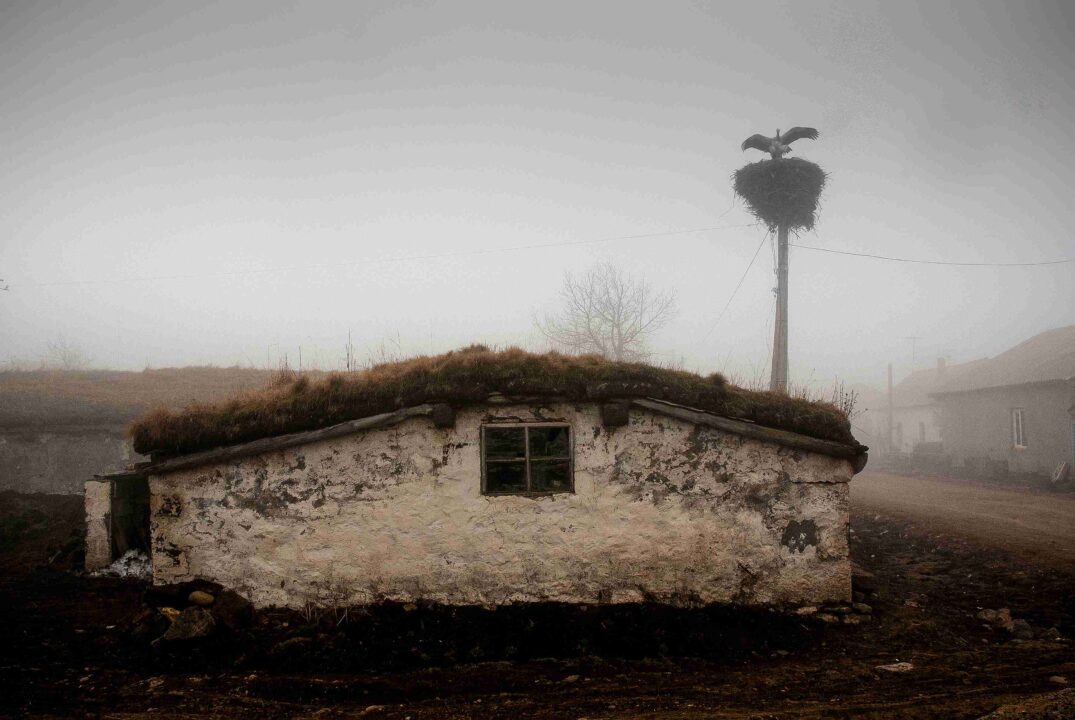
The last twenty years have been especially difficult for the Doukhobors. There is much speculation as to why most of them have decided to return to Russia, and there are different explanations: betrayal, fear, persecution, and false promises… most of those who originally left their homeland more or less settled in Canada, but did not find any peace, say the locals, ‘because their home and place is here in Javakheti. Only here have they been able to find peace.’ Here, the new owners of their old houses, unfamiliar with the Doukhobors’ culture, have set about destroying and changing the appearance of the village. Unique Russian-Ukrainian houses have been destroyed and neglected, and old Russian fireplaces that once served as ovens have been turned into ornaments. The Doukhobors now watch sadly how the village of their ancestors has become made over. The Doukhobors believe in prophecies and they have known, they say, the fate of their community from the beginning. According to these prophecies, all Doukhobors will one day leave Javakheti and strangers will inevitably possess their houses and land. They will pass a hard journey full of suffering. But then there will come a time when ‘Doukhoborism’ will revive again.”